
Birds
Well over 100 bird species can be found within the park during the year, with about 60 of them being UK residents and the rest being seasonal migrants. A list of most of our birds can be found at the end of this page.
Raptors
The two raptors most likely to be seen in the valley are Buzzards and Kestrels, both of which are residents that nest in the valley, along with Sparrowhawks. You may also see migrants, such as Hobbies or the occasional Marsh Harrier.
Buzzard
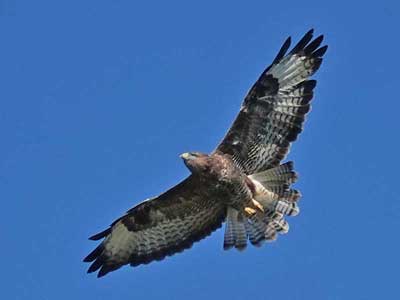
Often seen wheeling high in the sky, singly or in groups, or perched on a tree or fence post.
Kestrel
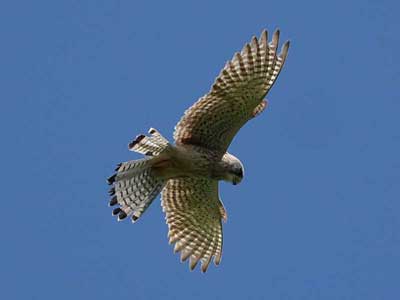
Smaller than the buzzard, kestrels can often be seen hovering, almost motionless, as they hunt for mice or voles.
Marsh Harrier
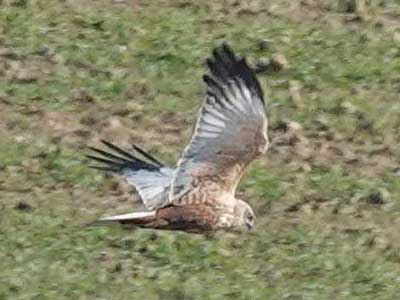
Flood meadows and reedbeds are ideal habitat for this fairly frequent winter visitor.
Water Birds
Some of the water birds are the largest birds in the valley and the easiest to spot. Most of those shown below can be seen in the valley throughout the year. The last three are seabirds that are frequently found on inland waters.
Mute Swan

Lots of swans can be found on the lakes and streams and several pairs raise broods of cygnets.
Greylag Goose
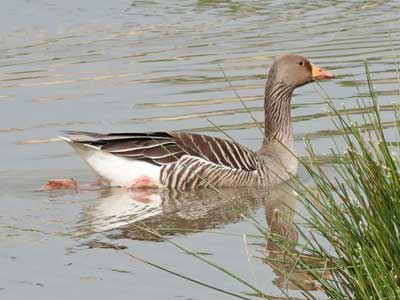
Parties of Greylag Geese fly into the valley for the winter and some stay all year round and breed. Often seen on the flood meadows.
Canada Goose
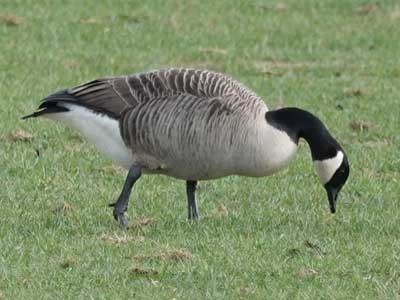
A few Canada Geese are usually found associating with the Greylag Geese, although lately there have been large flocks.
Grey Heron
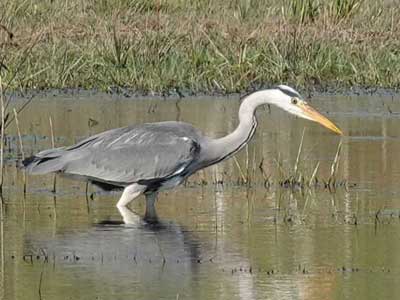
Herons can be found in the valley all year and can often be seen patiently fishing at the edge of pools.
Little Egret
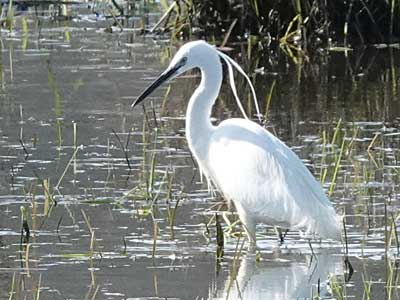
Slightly smaller than a heron and with pure white plumage, the Little Egret is now a fairly common sight in the valley.
Mallard
The most familiar of our ducks, the Mallard is to be found throughout the park
Coot
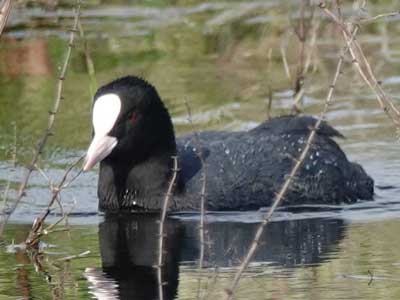
These are very common on all the lakes in the valley.
Moorhen

Not so numerous as the Coot in the valley, but often seen around the margins of open water.
Tufted Duck
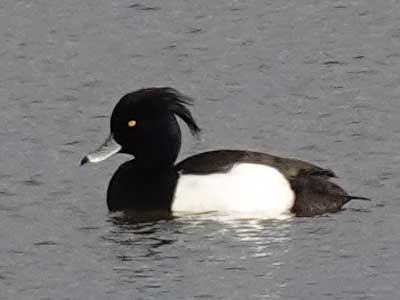
These distinctive little ducks are more frequently seen during the winter months.
Black-headed Gull

Flocks of these are often found on the larger lakes. In winter their heads turn white with just a black spot either side.
Herring Gull

Flocks of Herring Gulls are also a common sight on the lakes throughout the year.
Cormorant

This large seabird can often be seen on the larger lakes in the park. Many Cormorants roost in a tree by the Pebsham lake.
Land Birds
Many of this group of birds are hard to spot, unless you can recognise their call, as they tend to skulk around in trees or undergrowth. A few are shown below.
Blackbird

A familiar garden bird, the Blackbird can be found in woods and hedgerows.
Blue Tit
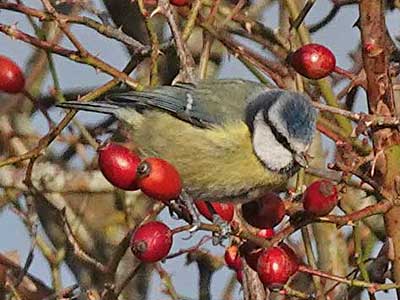
Another familiar garden bird. The Great Tit is also fairly common.
Carrion Crow

Often seen in the fields or perched on fence posts.
Chaffinch
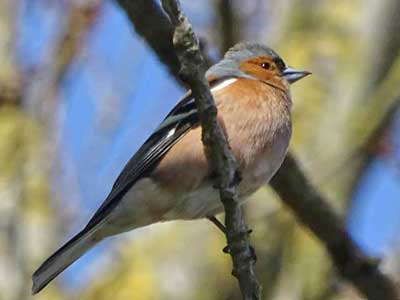
The Chaffinch is fairly common and the male is brightly coloured.
Goldfinch
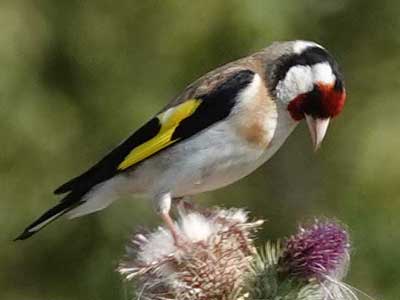
Flocks of Goldfinches are seen in the valley and are unmistakable with their red face and yellow wing flashes.
Lapwing
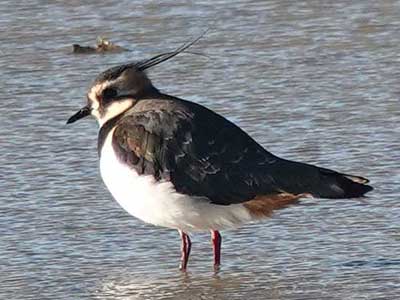
These are mainly winter visitors when more than a hundred can be seen on the flood meadows. Very few stay and attempt to breed.
Long Tailed Tit
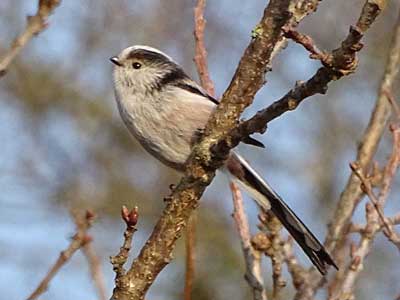
A gregarious bird that is usually seen in small flocks.
Magpie
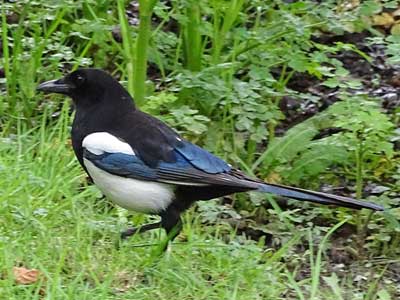
A conspicuous member of the crow family that can be seen all over the valley.
Pheasant
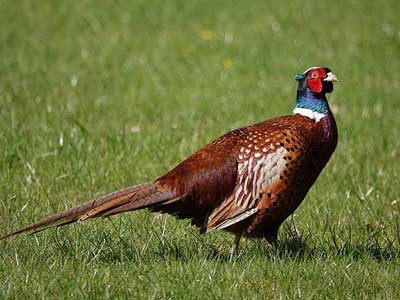
Often heard calling, there are quite a lot of Pheasants resident in the valley.
Reed Bunting
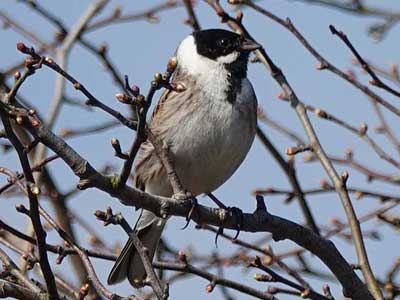
Often seen wheeling high in the sky, singly or in groups, or perched on a tree or fence post.
Reed Warbler
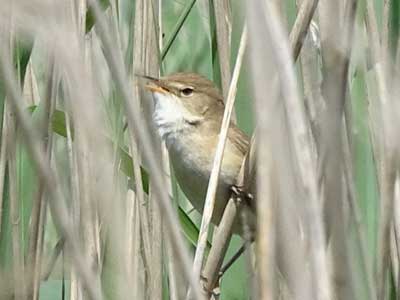
Smaller than the buzzard, kestrels can often be seen hovering, almost motionless, as they hunt for mice or voles.
Robin
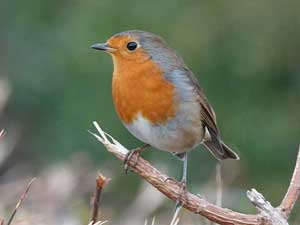
Flood meadows and reedbeds are ideal habitat for this fairly frequent winter visitor.
Sedge Warbler
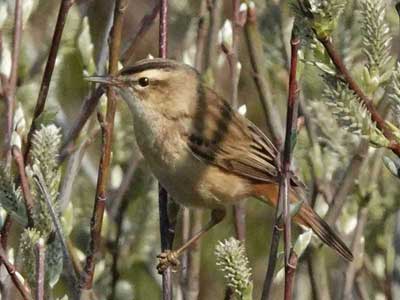
Often heard in the reeds, but less often seen, the Sedge Warbler is a summer visitor.
Stonechat

The male has an orange breast and distinctive black head. Resident but more often seen in the summer
Swallow
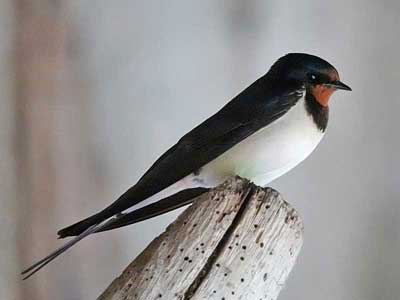
A summer visitor, often seen skimming over the lakes or reeds feeding on insects
Treecreeper
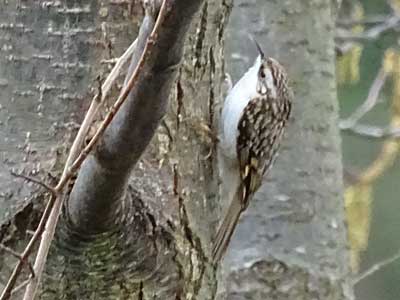
A woodland bird that can sometimes be seen hunting insects on tree trunks.
Wren

One of our smallest birds, the wren, is very shy and flits around in the undergrowth.
Yellowhammer

The male yellowhammer is unmistakable and likes to sing from the top of a bush.
Bird Lists
Resident Species
Goldcrest
Firecrest
Wren
Dunnock
House Sparrow
Coal Tit
Marsh Tit
Blue Tit
Great Tit
Long tailed Tit
Tree creeper
Robin
Linnet
Chaffinch
Goldfinch
Greenfinch
Bullfinch
Cetti’s Warbler
Stonechat
Yellow hammer
Reed Bunting
Skylark
Grey Wagtail
Pied Wagtail
Song Thrush
Mistle Thrush
Blackbird
Starling
Kingfisher
Collared Dove
Feral Pigeon
Wood Pigeon
Nuthatch
Green Woodpecker
Great Spotted Woodpecker
Magpie
Jay
Jackdaw
Common Crow
Rook
Pheasant
Kestrel
Sparrowhawk
Buzzard
Cormorant
Grey Heron
Little Egret
Great Crested Grebe
Little Grebe
Water Rail
Coot
Moorhen
Gadwall
Mallard
Tufted Duck
Greylag Goose
Mute Swan
Herring Gull
Black Headed Gull
Regular migrants
Siskin
Lesser Redpoll
Reed Warbler
Sedge Warbler
Garden Warbler
Blackcap
Chiffchaff
Whitethroat
Lesser Whitethroat
Whinchat
Wheatear
Spotted Flycatcher
Meadow Pipit
Water Pipit
Yellow Wagtail
Redwing
Fieldfare
House Martin
Sand Martin
Swallow
Swift
Raven
Cuckoo
Hobby
Dunlin
Snipe
Lapwing
Wigeon
Teal
Shoveler
Pochard
Shelduck
Canada Goose
Common Gull
Greater Black-backed Gull
Occasional migrants
Redstart
Snow Bunting
Marsh Harrier
Red Kite
Ruff
Green Sandpiper
Greenshank
Pintail
Mediterranean Gull
Garganey
Birds of the seashore
The commonly seen gulls are listed above as they are often seen inland. Of the birds listed below only the Turnstone and Oystercatcher are residents. The others are only occasionally seen.
Turnstone
Redshank
Black-tailed Godwit
Oystercatcher
Curlew
Red-throated Diver
Common Scoter
Common Tern
Sandwich Tern
Gannet
More Information
The RSPB website has a wealth of information about British birds.
The Sussex Ornithological Society has information about birds in Sussex.
Photos on this page by Peter Hunnisett

