
Nature's Calendar
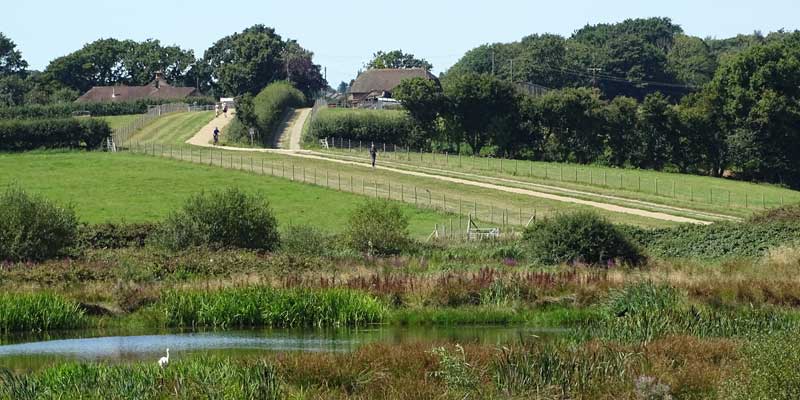
September
Butterfly numbers will be declining in September with most species gone by the end of the month.
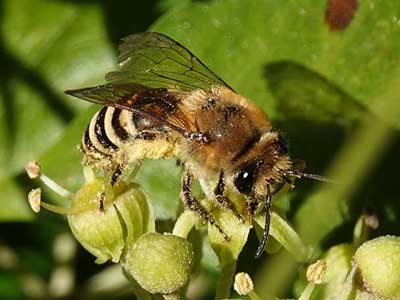 Ivy Bee
Ivy starts to flower in September so you may also start to see Ivy Bees as they rely on Ivy for their source of nectar. A favourite nesting site for Ivy Bees is the cliffs at Galley Hill where each female creates a burrow in which to lay her eggs. Thousands of the more numerous males can be seen hanging about there in October hoping to mate with one of the females. Although there can seem to be swarms of them they are quite harmless as they don't sting.
Many plants will have seeds ripening on them now, including Blackberries on Bramble, Elderberries, Sloes on Blackthorn, Hips on Wild Rose and Haws on Hawthorne. These provide valuable food for birds as they stock up for winter or for their migration south.
Swallows and Martins will be gathering in preparation for their migration South.
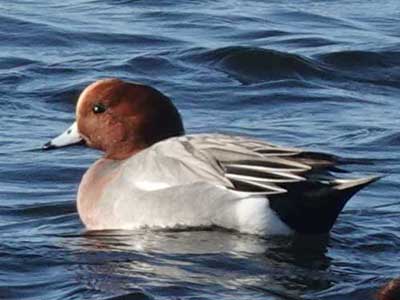 Wigeon
Lots of ducks and geese spend the winter in the lakes and flooded valley, and September is the month when many of them arrive. Look out for Grey Lag and Canada Geese, Shoveler Ducks, Wigeon, Gadwall and Teal. Lapwing also fly in for the winter and can be seen on the shallower water of the flood meadows.

